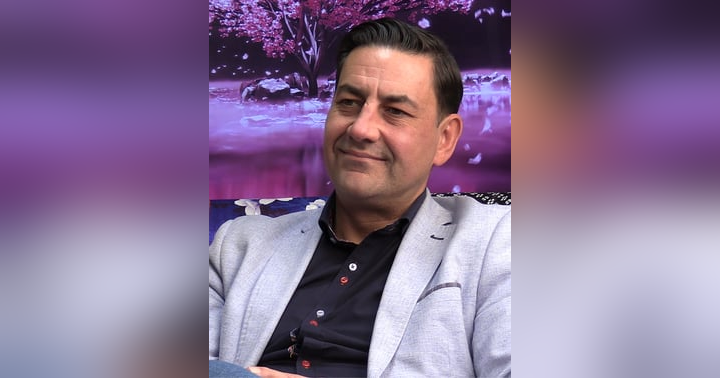
Adam Maxted: Big Flex Culture, Steroids and Mental Health
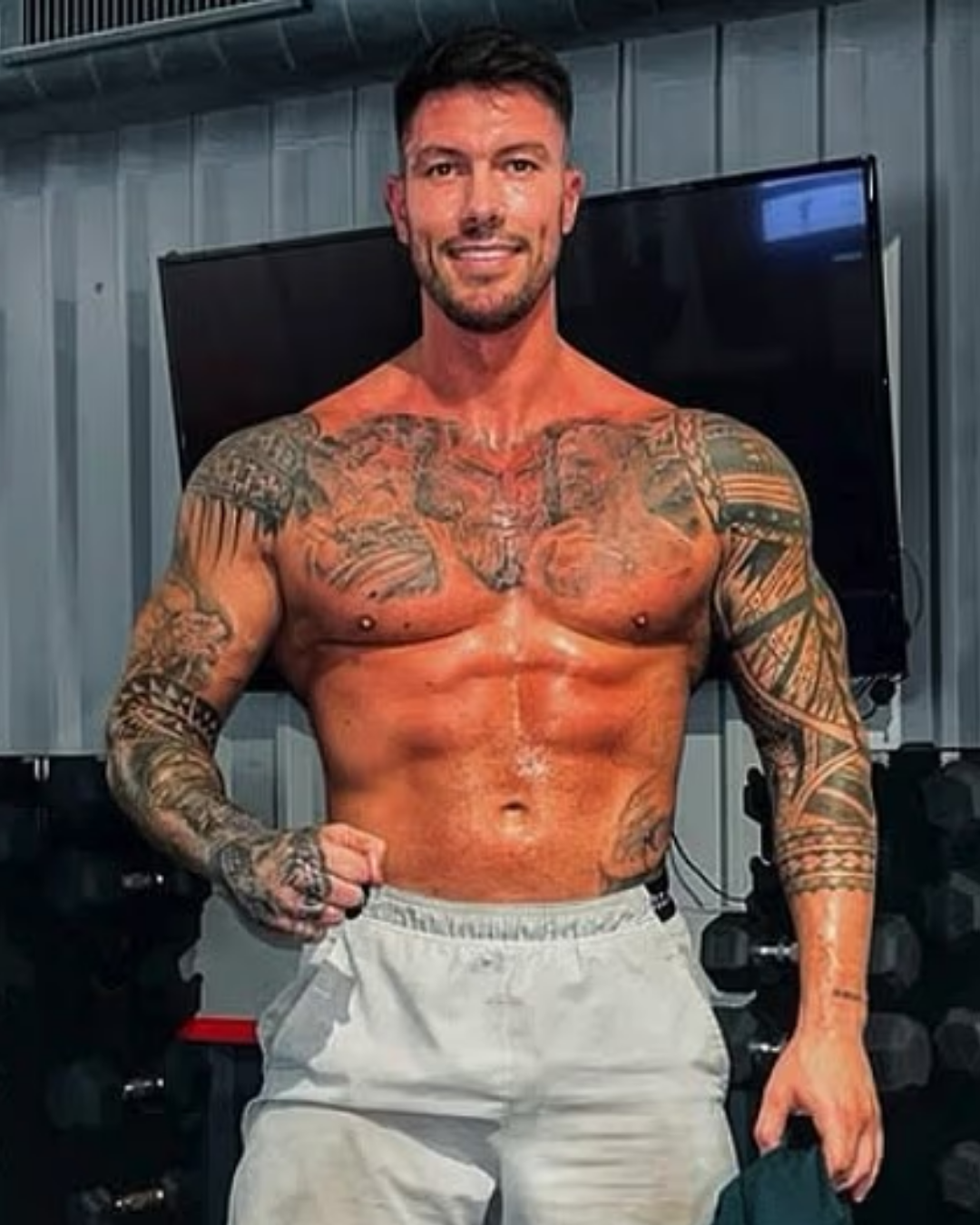
Adam Maxted: Big Flex Culture, Steroids and Mental Health
In this episode of the Believe in People, we're joined by Adam Maxted, professional wrestler and former Love Island contestant, for a wide-ranging and honest conversation about masculinity, body image, steroids, fame, and mental health. Adam reflects on the realities behind the “Big Flex” persona, tracing how bullying, violence, and insecurity shaped his relationship with the gym and his body. He speaks candidly about his use of anabolic steroids, the physical side effects, the psychological impact, and his regret at not understanding post-cycle therapy earlier in life. Beyond steroids, the episode explores the pressures of public identity, transient fame, and what happens when high-profile opportunities fall through. Adam discusses missed WWE contracts, the emotional aftermath of rejection, and how self-worth can quietly erode when external validation disappears. Throughout, he returns to themes of accountability, discipline, and the importance of building a life rooted in values rather than image.
From Love Island to the Wrestling Ring: The Birth of a Persona
The journey to becoming a "Big Flex" often begins with a desire for attention and validation. Reality television shows like Love Island, and the world of professional wrestling, provide fertile ground for the cultivation of such personas. These platforms often reward individuals who embody a certain aesthetic – typically lean, muscular, and visually striking. Contestants and performers are encouraged to craft an image that is larger than life, a persona that can capture an audience and secure their place in the spotlight. The constant need to perform, both on screen and off, for social media followers, becomes a relentless cycle. Every post, every appearance, is scrutinized, and the pressure to maintain the perceived ideal intensifies. This isn't just about looking good; it's about maintaining a brand, a career, and a perceived level of success. The "Big Flex" becomes more than just a physique; it becomes an identity, one that can be incredibly difficult to shed or deviate from without facing criticism or loss of public interest.
The Unseen Pressures: Body Image in the Spotlight
For those in the public eye, body image is not merely a personal concern; it's a professional asset and a constant subject of public discourse. The relentless scrutiny from fans, critics, and the media can create an environment where flaws are amplified and imperfections are deemed unacceptable. The curated perfection seen on social media feeds often sets an unrealistic standard, leading individuals to feel inadequate if they don't measure up. This is especially true for men, where the societal expectation of muscularity and a "lean, mean fighting machine" physique has become increasingly prevalent. The pressure to constantly be "camera-ready" and to maintain a physique that aligns with public expectations can be exhausting and mentally draining. Every meal, every workout, every perceived deviation from the ideal becomes a source of anxiety. The very tools that allow for public visibility: social media, television, film – also become instruments of constant self-surveillance and external judgment, creating a feedback loop of pressure and insecurity.
Quotes from Adam
“Being big became a shield. I didn’t want to feel helpless ever again.”
“Steroids explain behaviour, but they don’t excuse it. You still have to own your actions.”
“Real validation is helping someone change their life, not being recognised in the street.”
The Steroid Conversation: Image and performance-enhancing drugs (IPEDs)
In the pursuit of the "Big Flex" ideal, many individuals turn to Image and Performance-Enhancing Drugs (IPEDs). These substances, which include anabolic steroids, growth hormones, and other related compounds, are used to accelerate muscle growth, enhance strength, and improve physical appearance at an unnatural rate. While they can offer rapid results, the use of IPEDs is fraught with significant risks and potential dangers. The desire for perfection can overshadow the understanding of these risks, leading individuals down a path that can have devastating consequences for both physical and mental health. The allure of quick gains is powerful, especially when faced with intense external and internal pressure. However, the body is not designed to handle such rapid and extreme alterations, and the consequences can be severe and long-lasting. It's a trade-off that many are willing to make in the short-term for the perceived benefits, often without fully comprehending the long-term costs.
IPEDs can alter your appearance, or boost your strength and physical performance.
There are many types of IPEDs. They include:
- Anabolic steroids, which people take to help build muscle or be better at sports
- Growth hormones, insulin and other related peptides
- Weight-loss drugs
- Sildenafil, Viagra, and other drugs used for erectile dysfunction
- Modafinil, nootropics and other drugs people take to keep themselves awake and alert
- Skin and hair drugs such as melanotan, an artificial hormone used for tanning
The risks and side effects of IPEDs
The impact IPEDs will vary for each person and for each drug. There are ways to keep yourself safer, but there will always be some risks involved.
- They can affect your mental health. Some people who use these drugs notice changes to their mood and wellbeing. Other people use IPEDs specifically to help them to deal with confidence and self-esteem issues.
- They can affect your physical health. IPEDs have been linked to liver damage, heart disease, high blood pressure, gynecomastia (growth of breast tissue in men), erectile dysfunction, and more.
- You don’t always know what’s in them. It’s common for cheap compounds to be made up and labelled as other types of steroids. Drugs are often mis-sold or have been mixed with other - sometimes dangerous - substances. This means they can be much weaker or stronger than you think. The packaging often makes them look safer and more legitimate than they actually are.
Safer injecting advice for steroids
Most IPEDs are injected. Injections can cause injuries and infections if they aren’t carried out safely. They can also make you more vulnerable to blood-borne viruses like HIV, hepatitis C and hepatitis B.
The risks and side effects of IPEDs:
- They can affect your mental health
- They can affect your physical health
- You don’t always know what’s in them
Safer injecting advice for steroids:
- Most IPEDs are injected
- Injections can cause injuries and infections if they aren’t carried out safely
- They can make you more vulnerable to blood-borne viruses like HIV, hepatitis C and hepatitis B
The best way to stay safe is by not injecting, but there are things you can do to lower the risk of infection and injury:
- Always inject into a large muscle, like your glute or quads. Never inject into a vein or artery. Draw back the plunger a little before you inject to make sure there’s no blood in the barrel.
- Never share equipment (barrels, needles, vials, water, etc). This can pass on infections and blood-borne viruses.
- Always use new and sterile equipment for each injection.
- Clean the site with an alcohol swab once before injecting. Do not swab the site after injecting, as this can irritate the skin and increase the chance of infection.
- Keep everything as clean as possible. Clean your injection site and the rubber caps of vials.
- Don’t inject more than 2ml into one site.
- Steroids come with blue and green needles. Use the green needle for drawing up from the vial and inject with the blue.
- When using vials or illicit pens, use a separate needle to draw up the liquid. Then replace with a finer, shorter needle to inject.
Read more on advice for safer injecting.
The Mental Health Toll: Beyond the Muscle
The pursuit of the perfect physique, especially when fuelled by IPEDs and the pressures of public life, takes a significant toll on mental health. The constant striving for an unattainable ideal can lead to body dysmorphia, eating disorders, and a pervasive sense of never being "enough." The use of steroids can also directly impact mood and cognitive function, leading to increased anxiety, depression, and even suicidal ideation. The stigma surrounding mental health issues, particularly within hyper-masculine environments where admitting vulnerability can be seen as weakness, exacerbates the problem. Individuals may suffer in silence, fearing judgment or the loss of their perceived strength and status. The disconnect between the external image of strength and the internal struggle with mental health can be profound, creating a deep sense of isolation.
Adam Maxted's Advocacy: Breaking the Stigma
This is where the work of individuals like Adam Maxted becomes invaluable. By sharing his own experiences with the pressures of body image, the use of steroids, and the subsequent impact on his mental well-being, he is actively breaking down the stigma. His willingness to speak openly and honestly about his journey, including the challenges he faced after Love Island and his aspirations in wrestling, provides a beacon of hope for others. His advocacy helps to normalise conversations about these difficult topics, encouraging people to seek help and support without shame. When public figures are willing to be vulnerable, it gives permission for others to do the same, fostering a more supportive and understanding environment for everyone. Adam's story, as shared in the podcast episode, is a testament to the fact that true strength lies not just in physical power, but in the courage to confront one's own struggles and to advocate for positive change.

Beyond Binge Drinking: Understanding the Spectrum of Alcohol Use