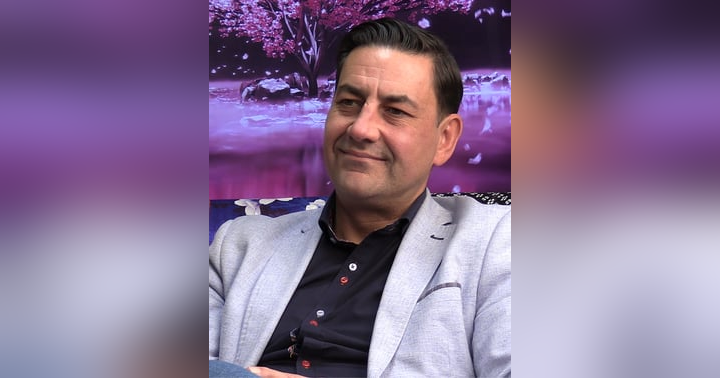
Paula McGowan OBE: Oliver's Legacy - Autism, Addiction & Safety in Care.
Welcome back to the Believe in People blog! In our latest podcast episode, we delve into a deeply important and profoundly human topic: how ingrained biases, pervasive fear, and inflexible systems can have devastating consequences for vulnerable individuals, particularly those with autism and learning disabilities. This post expands on the crucial conversation we had with Paula McGowan OBE, whose personal tragedy became a powerful catalyst for systemic change. Her son Oliver’s story is a stark reminder of the high stakes involved when we fail to see, hear, and understand those who communicate and experience the world differently. We’ll explore how distress can be tragically misread, leading to harm, and what we, as professionals and as a society, must do to foster environments of genuine compassion and effective care. You can listen to the full, in-depth conversation with Paula McGowan OBE here: Paula McGowan OBE: Oliver's Legacy - Autism, Addiction & Safety in Care.
Oliver's Story: A Catalyst for Change
The narrative woven through our conversation with Paula McGowan OBE is not just a personal one; it’s a vital case study in systemic failure. Oliver McGowan's life, and tragically, his death, illuminated a stark reality: that for many individuals with learning disabilities and autism, navigating health and social care services can be fraught with misunderstanding, fear, and ultimately, harm. Oliver, like many, faced challenges in communication and processing information. His experiences, as recounted by his mother, highlight a pattern where these differences were not met with adaptive support but were instead interpreted through a lens of judgment, doubt, and a lack of understanding. This misinterpretation often led to distress, which was then mislabelled as challenging behaviour or non-compliance, creating a vicious cycle that tragically culminated in Oliver’s preventable death.
Paula’s powerful testimony underscores the immense personal toll of these failures. It’s a story that speaks to the universal desire for our loved ones to be safe, understood, and treated with dignity. Oliver’s story serves as a profound impetus for change, a reminder that behind every statistic and every policy document, there is an individual with unique needs, emotions, and a right to be treated with respect. The pain and loss experienced by Paula and her family have been channelled into a movement for reform, demanding that those who provide care are equipped with the knowledge, empathy, and skills to truly support individuals with learning disabilities and autism.
Understanding the Escalation: How Bias, Fear, and Rigid Systems Harm
The escalation of harm for autistic individuals and those with learning disabilities often stems from a complex interplay of societal biases, institutional fears, and rigid systemic structures. These factors create a fertile ground for misunderstanding and inadequate care. Let’s break down how each of these elements contributes to the problem:
Bias: The Unseen Filter
Bias, whether conscious or unconscious, acts as a filter through which professionals perceive and interact with individuals. For people with learning disabilities and autism, these biases can manifest in several ways:
- Underestimation of Capacity: A prevalent bias is the assumption that individuals with these conditions have lower cognitive abilities or a reduced capacity for understanding than they actually do. This can lead to simplified communication, patronising attitudes, and a failure to involve the individual in decisions about their own care.
- Stereotyping: Autistic individuals are often stereotyped based on media portrayals or anecdotal experiences, leading to a one-size-fits-all approach that ignores individual differences and needs. Similarly, people with learning disabilities might be unfairly labelled as always needing constant supervision or being incapable of independent living.
- Prejudice: Underlying fear and discomfort with neurodivergent traits can translate into subtle or overt prejudice. This might involve an avoidance of interaction, a lack of patience, or a tendency to dismiss concerns raised by the individual or their advocates.
These biases create a barrier to genuine connection and understanding, preventing professionals from seeing the individual in their full complexity. When bias is at play, the focus shifts from understanding the person’s needs to managing a perceived problem, often leading to punitive or restrictive approaches.
Fear: The Root of Restriction
Fear is a powerful driver of human behaviour, and in the context of care, it can lead to overly cautious, restrictive, and ultimately harmful practices. This fear can stem from:
- Fear of the Unknown: When professionals lack adequate training or understanding of autism and learning disabilities, they may feel anxious or uncertain about how to interact, support, or manage challenging situations. This uncertainty can breed fear.
- Fear of Liability: Healthcare and social care environments are often highly regulated, and professionals may be fearful of making mistakes that could lead to legal repercussions. This can result in a reluctance to take risks or deviate from established protocols, even when those protocols are not meeting the individual’s needs.
- Fear of Behaviour Escalation: Perhaps the most significant fear is the fear of a situation escalating into a crisis or an aggressive incident. While this is a valid concern for any caregiver, when it is fuelled by a lack of understanding of the underlying causes of distress, it can lead to pre-emptive restrictive measures. For example, a person who is experiencing sensory overload might be restrained to prevent perceived aggression, when what they actually need is a quiet space and sensory support.
This fear-driven approach often leads to the overuse of restraint, seclusion, or medication, all of which can be deeply traumatizing and detrimental to an individual’s well-being and recovery.
Rigid Systems: The Unyielding Framework
The structures and processes within health and social care systems can often be rigid and ill-equipped to accommodate the diverse needs of autistic individuals and people with learning disabilities. These rigidities include:
- One-Size-Fits-All Policies: Standard operating procedures and care plans are often designed for the “typical” patient or client, failing to account for the unique communication styles, sensory sensitivities, and processing differences of neurodivergent individuals.
- Bureaucratic Hurdles: Accessing appropriate support, adaptations, or specialist services can involve navigating complex bureaucratic pathways, which can be overwhelming and disempowering for individuals and their families.
- Lack of Integrated Care: Services can be fragmented, with poor communication and collaboration between different professionals and agencies. This can lead to disjointed care, where the individual’s needs are not holistically addressed.
- Inflexible Timelines and Expectations: Systems often operate on rigid schedules and performance indicators that may not align with an individual’s pace or needs. For example, a therapy session might be cut short because a timer has gone off, even if the individual is just beginning to open up or has a critical need to finish processing something.
When systems are rigid, they fail to adapt to the person, and instead, the person is expected to fit into the system, often with damaging consequences. This is where Oliver’s story truly resonates – his needs were not met by the existing rigid systems, and his distress was misinterpreted as a result of his conditions, rather than a response to a system that was failing him.
The Power and Responsibility of Professionals
Paula McGowan’s narrative powerfully underscores the immense power and responsibility that rests with professionals working in health and social care. Every interaction, every decision, and every approach can either foster safety and well-being or contribute to harm. Professionals hold a unique position where their understanding, empathy, and adherence to best practices can make a profound difference in the lives of vulnerable individuals.
The power lies not just in their clinical skills or their authority within the system, but in their capacity to build trust, to listen actively, and to advocate for the needs of those in their care. It’s the power to shift perspectives from viewing distress as defiance to understanding it as communication. It’s the power to recognize that apparent non-compliance may be a signal of unmet needs or a misinterpretation of instructions. This power, however, comes with a weighty responsibility:
- The Responsibility to Understand: Professionals have a duty to continuously educate themselves about the diverse needs of the individuals they serve, particularly those with learning disabilities and autism. This means moving beyond basic awareness to a deep understanding of neurodiversity.
- The Responsibility to Reflect: Critical self-reflection is paramount. Professionals must regularly examine their own biases, assumptions, and the impact of their actions on the individuals they support. This includes questioning their own fears and how these might be influencing their practice.
- The Responsibility to Adapt: Systems and approaches must be flexible enough to meet individual needs. Professionals are on the front lines of care and can champion the adaptation of practices, communication methods, and environments to be more inclusive and supportive.
- The Responsibility to Advocate: When systemic barriers prevent optimal care, professionals have a responsibility to advocate for change, whether it's within their team, their organization, or at a broader policy level.
Oliver’s story is a poignant reminder that failing to exercise this power and responsibility responsibly can have tragic, irreversible consequences. The introduction of mandatory training is a direct response to this call for increased accountability and a commitment to equipping professionals with the tools they need to uphold their duty of care.
The Oliver McGowan Mandatory Training: A Step Towards Safer Systems
The Oliver McGowan Mandatory Training represents a significant and necessary step towards creating safer systems for autistic people and individuals with learning disabilities. Born out of the profound grief and advocacy following Oliver’s death, this training is not merely an administrative requirement; it is a fundamental shift in expectation for health and social care professionals in England. Its core purpose is to address the systemic failures that led to Oliver’s death and countless other instances where individuals have been misunderstood, mistreated, or harmed due to a lack of appropriate understanding and support.
The training is designed to equip staff with the essential knowledge and skills to provide effective and compassionate care. It moves beyond generic awareness to focus on practical application, helping professionals to:
- Develop a deeper understanding of autism and learning disabilities, recognizing the diverse spectrum of needs and experiences.
- Identify and challenge their own biases and assumptions.
- Learn effective communication strategies tailored to neurodivergent individuals.
- Understand how sensory differences can impact behaviour and well-being.
- Recognise distress as a form of communication and respond appropriately.
- Implement person-centred approaches that prioritize individual autonomy and dignity.
- Understand the legal and ethical responsibilities involved in supporting these individuals.
The training is structured in a way that aims to be accessible and relevant to different roles within health and social care, with varying levels of intensity and focus depending on the professional’s responsibilities. This tiered approach ensures that the learning is proportionate and impactful across the workforce.
Challenging Assumptions: Reframing Distress and Non-Compliance
A cornerstone of The Oliver McGowan Mandatory Training is the imperative to challenge ingrained assumptions, particularly the misinterpretation of distress as behaviour or non-compliance. For individuals with autism and learning disabilities, communication can be different. They may not express their needs, discomfort, or fear in ways that neurotypical individuals readily understand. This can lead to situations where:
- Sensory Overload is Misread: A person experiencing overwhelming sensory input might withdraw, become agitated, or engage in repetitive behaviours. Without understanding the sensory aspect, this might be labelled as "acting out" or being "difficult."
- Anxiety is Seen as Defiance: When faced with an unfamiliar situation, a change in routine, or a communication breakdown, an individual may experience significant anxiety. This anxiety can manifest as refusal to participate, avoidance, or verbal distress, which can be wrongly interpreted as defiance or deliberate obstruction.
- Communication Difficulties Lead to Frustration: If a person is struggling to articulate their needs or understand instructions, they may become frustrated. This frustration, if not recognized as a communication barrier, can be misconstrued as aggression or a lack of cooperation.
The training aims to reframe these situations, teaching professionals to pause, observe, and seek to understand the underlying cause of the distress. It encourages a shift from a reactive approach (addressing the "behaviour") to a proactive and empathetic one (understanding the need and supporting the individual).
Moving Towards Compassionate and Effective Care Practices
The ultimate goal of The Oliver McGowan Mandatory Training, and indeed the entire movement it represents, is to foster a culture of compassionate and effective care practices. This involves more than just ticking boxes; it requires a fundamental shift in mindset and a commitment to ongoing learning and improvement.
Compassionate care means approaching each individual with empathy, respect, and a genuine desire to understand their unique perspective. It means recognizing their inherent worth and dignity, regardless of their abilities or challenges. Effective care, in this context, means providing support that is tailored to the individual, enabling them to live fulfilling lives, achieve their goals, and maintain their independence as much as possible.
The training provides the foundational knowledge, but its true impact lies in its implementation. It calls for professionals to actively integrate what they learn into their daily practice. This includes:
- Active Listening and Observation: Paying close attention to verbal and non-verbal cues, and actively seeking to understand what the individual is trying to communicate.
- Person-Cantered Planning: Ensuring that care plans are developed in full partnership with the individual and their advocates, respecting their choices and preferences.
- Environmental Adaptations: Making necessary adjustments to the physical environment to reduce sensory triggers and promote comfort and safety.
- Building Trusting Relationships: Investing time and effort in developing rapport and a strong, trusting relationship with the individuals they support.
- Continuous Professional Development: Recognizing that learning is ongoing and actively seeking out opportunities to deepen their knowledge and skills.
By embracing these principles, professionals can move away from rigid, fear-based, and biased practices towards a model of care that is truly empowering, respectful, and life-affirming.
What Is The Oliver McGowan Mandatory Training?
The Oliver McGowan Mandatory Training is a legal requirement for all health and social care staff in England. It was introduced as a direct response to the tragic death of Oliver McGowan in 2008. Oliver, an autistic teenager with a learning disability, died from preventable causes while being detained under the Mental Health Act. His death highlighted significant failings within the health and social care system, where autistic people and those with a learning disability were often not listened to, were misunderstood, or experienced avoidable harm due to systemic errors.
The training aims to ensure that all healthcare and social care professionals possess the necessary understanding and skills to support autistic people and people with a learning disability effectively and compassionately. It addresses the critical need for professionals to recognize and respond appropriately to the unique needs, communication styles, and potential distress signals of these individuals, thereby preventing the kind of errors and misinterpretations that contributed to Oliver's death.
Information about the training and statutory expectations can be found here: https://www.gov.uk/government/publications/oliver-mcgowan-code-of-practice/the-oliver-mcgowan-draft-code-of-practice-on-statutory-learning-disability-and-autism-training.
Training availability and booking information can be found here: https://www.olivermcgowantraining.com/book-training.
Conclusion: The Call to Action for Systemic Improvement
The conversation with Paula McGowan OBE, which you can find here, and this blog post serve as a powerful call to action. Oliver’s story is a stark illustration of how bias, fear, and rigid systems can tragically escalate harm for vulnerable individuals. It’s a reminder that our systems, and the people within them, must evolve to truly meet the needs of everyone they serve, especially those who are neurodivergent or have learning disabilities.
The Oliver McGowan Mandatory Training is a crucial step, but it is only one part of a larger, ongoing effort. True systemic improvement requires a sustained commitment from individuals, organisations, and policymakers to foster environments of genuine understanding, empathy, and adaptive support. We must all challenge our own biases, confront our fears, and advocate for systems that are flexible, inclusive, and person-centred. By learning from tragedies like Oliver’s, we can collectively build a future where every individual, regardless of their neurotype or abilities, is treated with dignity, respect, and receives the care they truly need and deserve. Let this be a catalyst for continued conversation, learning, and meaningful action.

Beyond Binge Drinking: Understanding the Spectrum of Alcohol Use